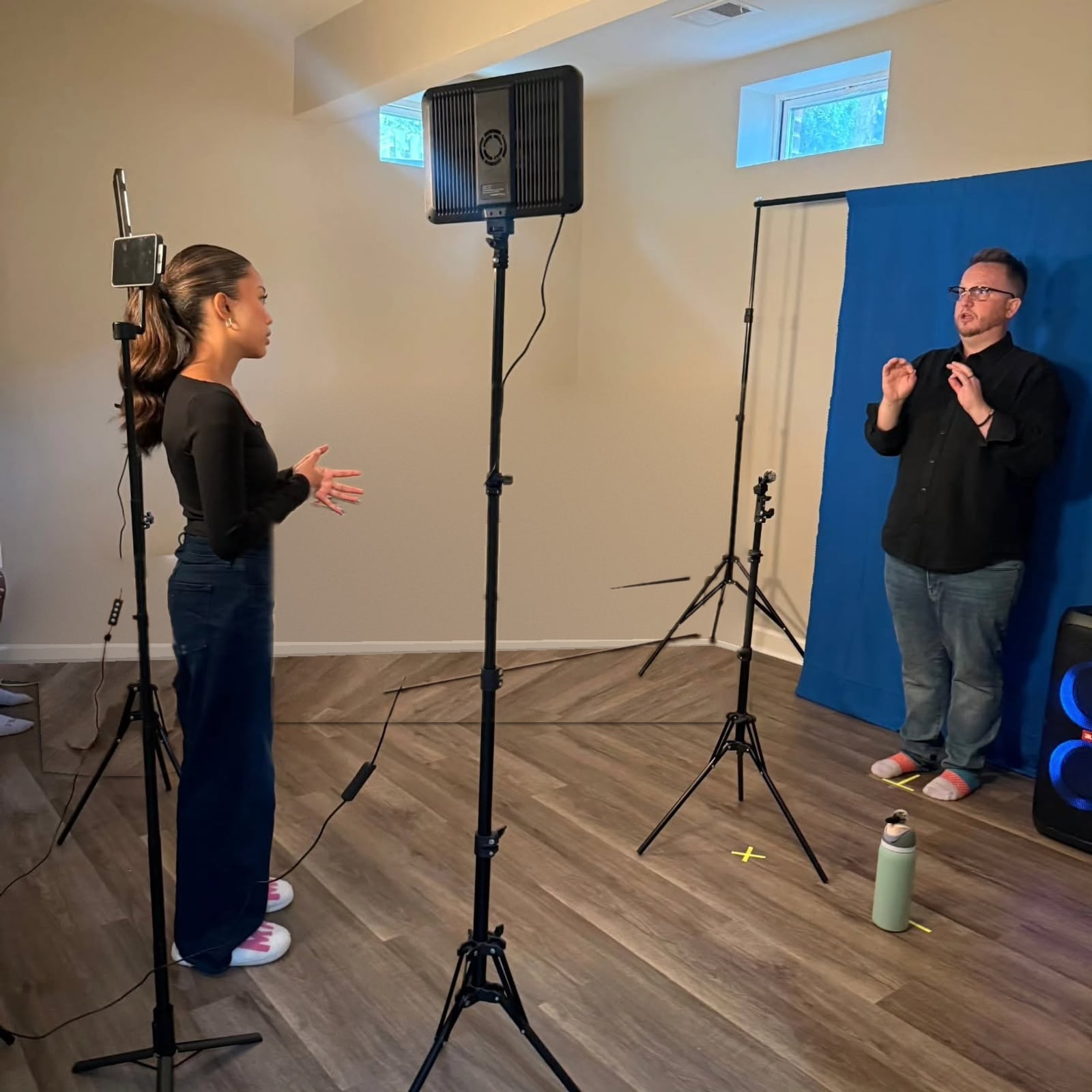
I have spent twenty years on the hiring side of this question. When I audition a voice teacher for our faculty, I am not listening for how beautifully they sing. I am listening for what they do in minute forty of a lesson with a fourteen-year-old whose voice cracked in front of their friends that morning and who would rather be anywhere else.
That skill is what you are actually paying for.
So let's answer the question the way I wish someone had answered it for the hundreds of parents who have asked me: what do voice lessons really cost, why is the range so wide, and how do you tell a teacher worth $120 an hour from a hobbyist charging $40 who might quietly teach your teen habits a college program will spend two years undoing?
How Much Do Voice Lessons Cost in 2026?
The honest national picture, from someone who watches this market to set rates in it:
- $25–$45 per half hour | The entry tier: newer teachers, hobbyists, and app-marketplace instructors. Fine for a curious eight-year-old. Risky for a serious teen, for reasons below.
- $60–$90 per hour | The broad middle of the market in most East Coast suburbs: trained teachers, often working performers, teaching from home studios.
- $100–$150 per hour | Degreed faculty at established studios and conservatory-prep programs, and teachers with significant professional credits. Most of the DC, Philadelphia, New York, and Boston metro markets for serious teen training live here.
- $150+ | Big-city names, college audition specialists in season, and teachers with Broadway résumés.
Since I believe prices belong in public: at our studio in the DC metro area, a 50-minute private lesson with our voice faculty is $120, the same rate in studio or on video, and booking a semester of weekly lessons brings the per-lesson price down by 15 percent. I share that not as a pitch but as a calibration point. If a quote you are considering is dramatically cheaper, ask what is missing. If it is dramatically more, ask what is added. Both are fair questions, and a good studio answers them without flinching.
Why the Range Is So Wide: What the Money Buys
Put simply, you are paying for four things, and cheap lessons usually skip two of them:
- Training. A voice degree, or the professional career that substitutes for one. Voices are instruments you cannot return to the shop.
- Adolescent-voice expertise. Teen voices are mid-construction. The teacher who understands the voice change, the passaggio, and safe belting is protecting an instrument your child will use for the rest of their life. The teacher who pushes a fifteen-year-old to belt like a Broadway lead because it sounds impressive at the spring recital is doing damage you cannot hear yet.
- Structure. A real lesson has an arc: technique, then repertoire, then application. Thirty minutes of singing through favorite songs is karaoke with feedback.
- Safety. Background checks, professional boundaries, and a room, physical or virtual, where a teenager feels safe enough to sound bad. Nobody improves while performing confidence they do not have. In our building, staff learn how to talk to a nervous student before they learn anything else, and I hold that line because my graduate training is in theatre education and drama therapy. Growth starts where embarrassment is allowed.
How to Choose a Voice Teacher for Your Teen: Seven Questions
I have hired voice teachers, and I have declined to hire many more. These are the questions that separate them:
- "Tell me about your training." You want a degree in voice or music, or a professional performing career. Politely ignore trophy shelves.
- "How do you work with a changing voice?" If the answer is a blank look, keep walking. If it includes the word "gently" and a plan, stay.
- "What does a typical lesson look like?" Listen for structure: warm-up, technique, repertoire. In that order.
- "Can we do a single trial lesson?" Any confident teacher says yes. Multi-month contracts before a first meeting are a red flag.
- "What do you want my teen singing right now?" The right answer involves age-appropriate repertoire, not whatever is hardest.
- "How will I know it's working?" Real answers: healthier sound, easier high notes, growing confidence, school-musical results. Vague answers: "every voice is a journey."
- "Are you background checked?" A professional studio answers instantly. A private teacher should not be offended you asked.
The best teacher is not the most famous one. It is the one your teen will be honest in front of.
Half Hour or Full Hour? In Person or Online?
Thirty minutes is right for singers under about eleven; attention and stamina genuinely run out. By the teen years, a 45-to-60-minute lesson is worth the money, because the first ten minutes of any lesson are warm-up, and a half-hour lesson spends a third of your fee clearing its throat.
On format: a good teacher over video beats a mediocre teacher in person, every time. Technique and repertoire coaching translate to a screen far better than parents expect, which is why we run ours both ways at the same rate. In-person still earns its place for young beginners and for alignment and breath work a teacher wants to see in the room. Choose the teacher, not the format.
When Voice Lessons Are Not the Right First Move
Let me be clear about something a lessons page will not tell you: private voice lessons are not always step one. A ten-year-old who loves singing but has never performed usually grows more in a group musical theatre class or a production experience, where singing lives inside story, friends, and stakes. Private lessons become the right tool when there is something specific to build: a school musical audition, a developing voice that needs protecting, college auditions on the horizon, or a kid who has simply outgrown the group pace. Spending lesson money too early buys frustration. Spending it at the right moment buys liftoff.
Closing Reflection: Minute Forty
Back to that fourteen-year-old in minute forty. The teacher I hire is the one who hears the crack, smiles, and says: good, that means we're working at the edge, and then explains exactly what a changing voice is doing and why it is nothing to fear. The student leaves that room taller.
They will not remember the scales.
They will remember who made the cracking okay.
That is what your money is buying. The rate is just the receipt.